SOAR Success Story: Walking a Mile in Her Shoes
Sometimes, we can become so consumed with the rules, the regulations, the process and the forms of our SOAR work, that we forget that underneath it all is a human being. Where a child’s claim is concerned, it is not just one person. There’s a parent, grandparent, or care giver as well.
During this past year, I worked with the mother of a disabled son on his SSI claim. The facts are these. Her son is 11 years old. At age 9 he was diagnosed with attention deficit hyperactivity disorder (ADHD), specific learning disorders with impairment in reading and mathematics and a speech-sound disorder. Since kindergarten, my young client has had difficulty with social and emotional skills involving self-control, respecting authority as well as working and playing cooperatively. He has been treated for problems with anger, defiance, and aggression. His abilities to listen, work independently, organize his space and materials, and participate have been areas of concern in school. Receiving special education, since the first grade, my young client has also had special transportation to and from school due to his fine motor skill needs.
In working with the mother of this boy, I learned to walk in her shoes. I learned that being the parent of a child with a disability can be a challenge, and often those challenges feel like a flash flood. The love of this mother for her son compelled her to stand strong against the rushing waters: the stares, the school system, the medical bills, the ignorance from other people, the judgments, the insults when others hint that they could do better, the lack of support.
She often wondered, could I do more? Could I try harder? Am I really doing all I can do? Sometimes, she had an overwhelming feeling of failing at everything she did because she did not have enough time or energy to do it all. She felt like she was failing her other children, failing at her marriage, failing at keeping a neat home. She also expressed how hard it was when she couldn’t understand her son because of his speech-sound disorder. How frustrating it was when she couldn’t have a conversation with her own child. Walking in her shoes, I also learned how courageous, funny, compassionate, resilient, brave, flexible, forgiving, generous, and full of love she was.
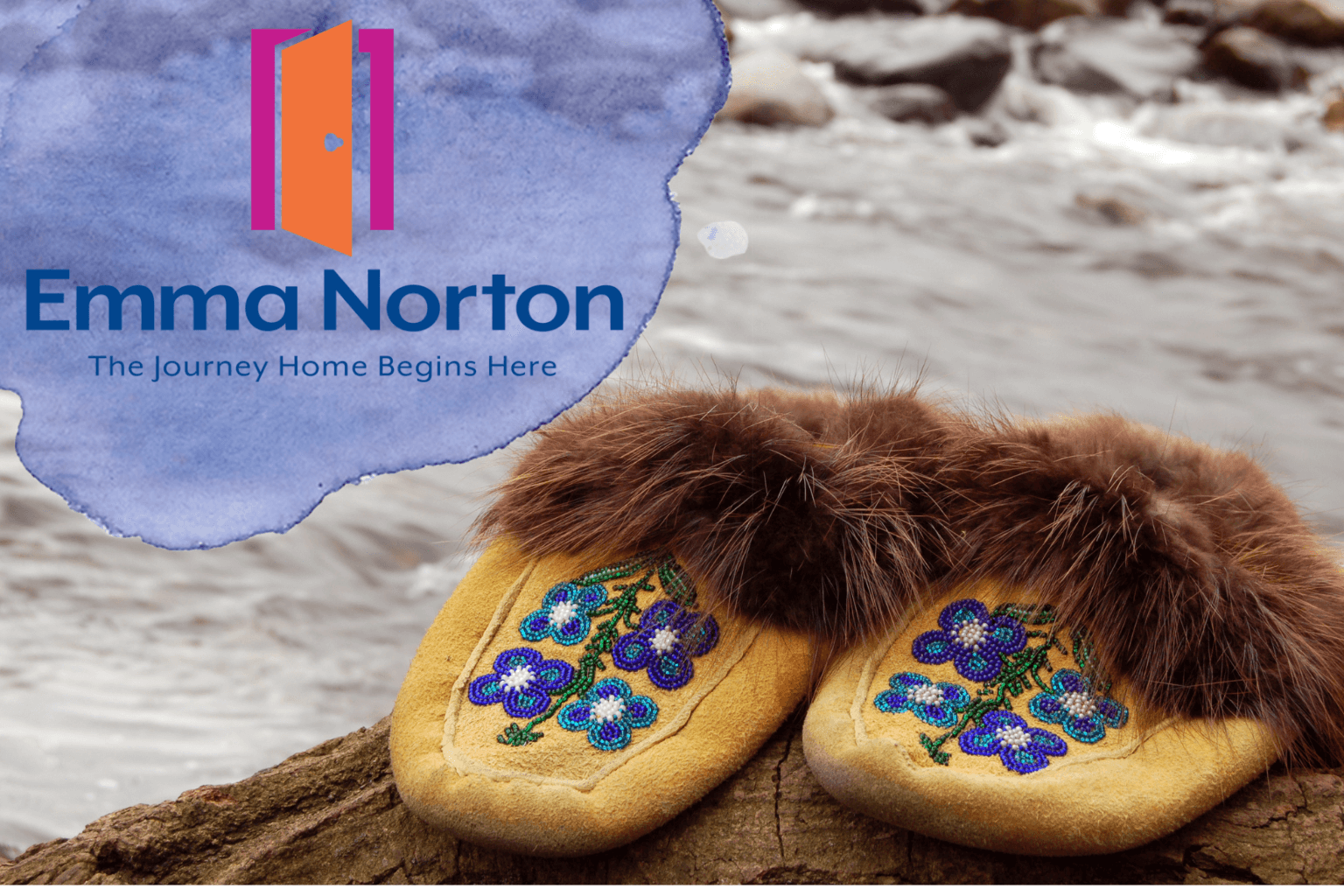
As we fulfill our duties as SOAR case managers, I think it is important that we remember that our work is about people, not forms. There is an Indigenous saying that to understand another, we must first walk a mile in their moccasins. Often attributed to various indigenous tribes, this saying comes from a poem written by Mary T. Lathrap in 1895. The original title of the poem was “Judge Softly.” I leave you with the last lines of the poem “Remember to walk a mile in his [her/their] moccasins. And remember the lessons of humanity taught to you by your elders. We will be known forever by the tracks we leave in other people’s lives, our kindness and generosity. Take the time to walk a mile in his [her/their] moccasins.”
– Jon Katherine Martins, Lead SOAR Practitioner
This article was originally published in the 2021 SOAR Outcomes Issue Brief. The original publication can be read here.